
Buying high-capacity lifting machinery for a plant is a major step. It impacts daily work for years. Finding an ideal Cargo Lift Manufacturer keeps daily operations running safely and helps prevent costly site delays. We know that finding a steady partner takes a clear, practical strategy.
Our engineering team at Nostec Lift builds heavy-duty equipment for clients globally. We put together this practical checklist to help you choose a strong partner for your next warehouse or factory upgrade.
1. Evaluate Engineering Expertise and Factory Capabilities
Building reliable machinery takes real technical skill. Plants should not just weld steel parts together without doing detailed stress tests first.
- Customization Flexibility: Ready-made lifts rarely fit existing building layouts. Work with teams that deliver customized lift Solutions built for your specific space, load weights, and travel height.
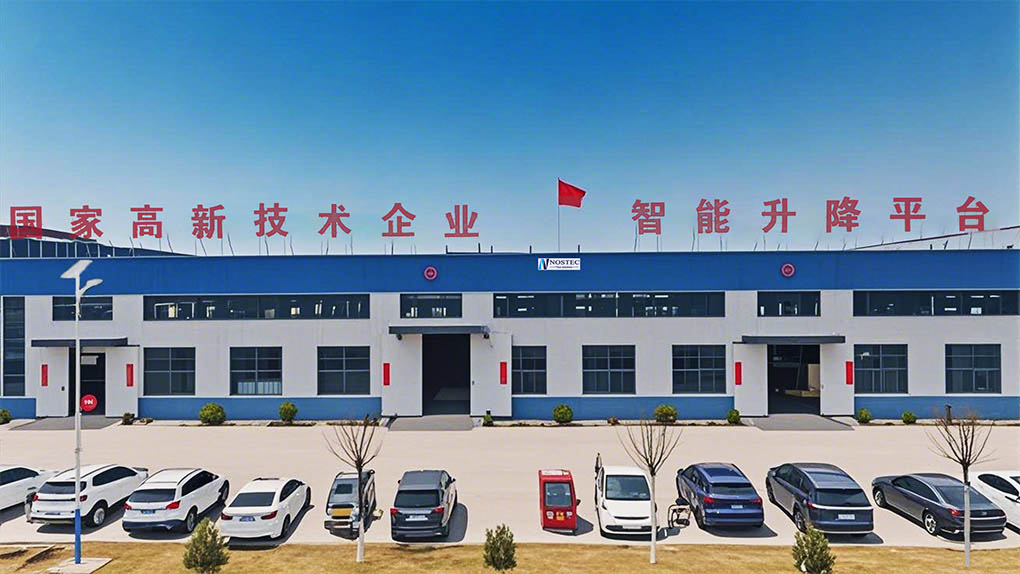
- Production Facility Size: Check the actual factory size. A large production area shows solid manufacturing capacity and steady business growth.
- Engineering Drawings: Always ask for exact blueprints upfront. Good suppliers share full technical drawings so you can check every measurement prior to production.
2. Verify Component Quality and Safety Features
Workplace safety comes first with vertical heavy transport. A durable warehouse cargo lift must handle heavy daily loads without mechanical trouble.
Standard Safety Features to Look For
- Emergency Braking Systems: Mechanical safety locks stop the platform right away if a lifting chain or wire rope loses tension.
- Overload Sensors: Weight limit sensors automatically prevent platform operation whenever an excessive load is detected.
- Interlocked Doors: Gate locks keep doors shut until the platform stops at the right floor position.
At Nostec Lift, we fit main electrical components from global suppliers like Siemens and Schneider. High-grade components cut downtime and make local electrical checks fast during setup.
3. Assess Global Experience and Export History
Shipping heavy gear overseas requires correct paperwork, tough wooden packaging, and knowledge of customs rules. Choosing a seasoned exporter stops long shipping delays at port customs.
- Track Record: Check how many units the seller has successfully shipped to other countries.
- Export Documentation: Make sure the supplier gives proper trade certificates, marine packing, and clean customs papers.
- Customer References: Look at real user feedback from buyers working in similar industrial settings.
4. Review Installation Support and After-Sales Service
Your work with a supplier continues long after the crate leaves their factory floor. Good installation support gets your site up and running without safety risks.
- Clear Documentation: Ensure the supplier provides step by step assembly guides, clear wiring diagrams, and video walkthroughs.
- Technical Support: Ask if engineers offer remote help to guide your local team during setup.
- Spare Parts Availability: Check if standard replacement parts are easy to get or ship out on short notice.
Summary Checklist for Buyers
Before sending any initial payment, check these crucial points:
- Did the supplier review your floor layout and send custom drawings?
- Are main electrical parts sourced from well-known global brands?
- Does the machinery feature physical anti-fall safety locks?
- Has the factory shipped similar units to your region recently?
- Is remote support ready to help your local technicians?
Final Words on Selecting Your Industrial Equipment Partner
Picking solid freight transport gear protects site safety and keeps work moving every day. Taking time to inspect factory space, safety systems, part sources, and export history keeps your site project secure.
We at Nostec Lift focus on building safe, strong, and engineered lift systems that match your exact site layout. Focus on true factory standards to build a faster, safer building layout today.