
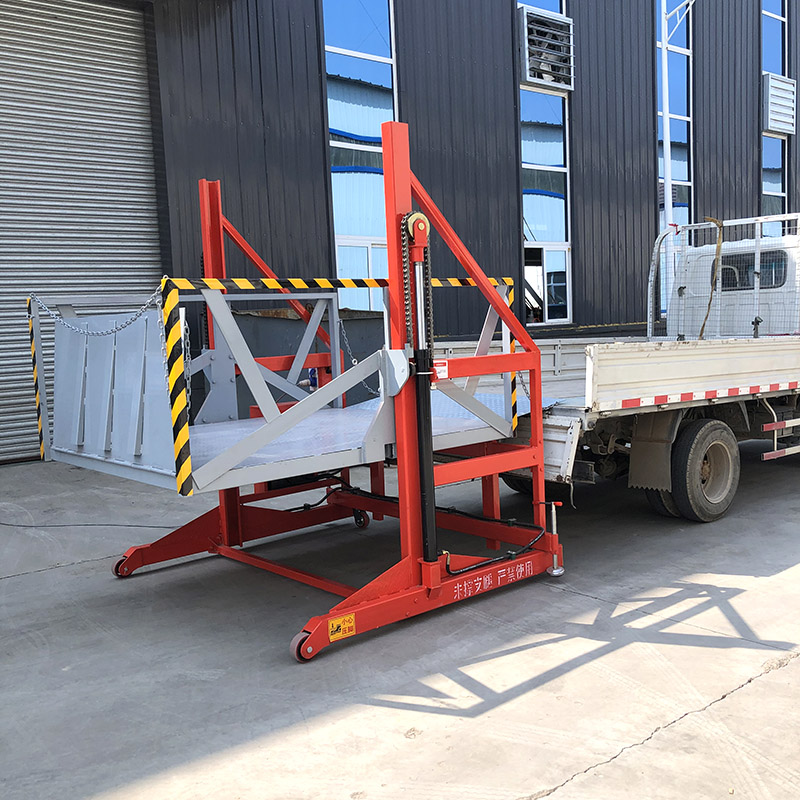
In modern logistics and industrial environments, efficiency is no longer optional—it is essential. Whether it’s a busy warehouse, a manufacturing plant, or a distribution center handling high-volume shipments every day, the ability to move goods quickly, safely, and accurately defines operational success. One critical solution that supports these goals is dock lift equipment at nosteclift.com.
Dock lifts have transformed how businesses manage loading and unloading tasks, especially when dealing with varying vehicle heights, heavy cargo, and limited dock infrastructure. This comprehensive guide explores dock lift equipment in detail—its purpose, types, applications, advantages, customization options, and how it supports global industries across warehouses, factories, and logistics hubs.
What Is Dock Lift Equipment?
Dock lift equipment refers to specialized lifting systems designed to bridge height differences between ground level and trucks, trailers, containers, or raised loading docks. Unlike fixed ramps or basic dock levelers, dock lifts provide vertical lifting capability, allowing operators to raise or lower heavy loads smoothly and safely.
These systems are widely used in:
- Warehouses
- Distribution centers
- Manufacturing plants
- Logistics hubs
- Ports and container yards
Dock lifts play a vital role where traditional loading docks are unavailable or impractical, making them an essential component of modern material handling solutions.
Why Dock Lifts Are Essential in Today’s Industries
With growing demand for faster delivery cycles and stricter safety regulations, businesses must optimize every step of their material flow. Dock lift equipment addresses several critical challenges:
- Height Mismatch Issues
Trucks, trailers, and containers often vary in bed height. Dock lifts eliminate alignment problems by adjusting vertically. - Improved Safety
Manual loading using ramps increases the risk of accidents. Dock lifts reduce worker strain and prevent tipping or slipping incidents. - Operational Flexibility
Dock lifts can be installed indoors or outdoors and used with different vehicle types. - Enhanced Productivity
Faster loading and unloading directly reduce turnaround time and labor costs.
Key Components of Dock Lift Systems
Understanding the core elements of dock lift equipment helps businesses choose the right solution:
- Platform: The surface where goods are placed
- Hydraulic or Electric System: Powers vertical movement
- Scissor Mechanism: Provides stable lifting motion
- Control Panel: Allows operators to raise or lower the platform
- Safety Features: Includes guardrails, toe protection, emergency stop buttons, and overload protection
Each component is designed to ensure reliability, durability, and operator safety in demanding environments.
Types of Dock Lift Equipment
Different work environments require different dock lift solutions. Below are the most commonly used types:
1. Hydraulic Dock Levelers
Hydraulic dock levelers are permanently installed systems that create a smooth bridge between the dock and vehicle bed. They are ideal for high-traffic loading docks where speed and durability are priorities.
Key Benefits:
- Heavy load capacity
- Long operational lifespan
- Smooth, controlled movement
2. Scissor Dock Lifts
Scissor dock lifts use a scissor-style mechanism to provide vertical lifting. They are extremely versatile and can be pit-mounted or surface-mounted depending on site requirements.
Ideal For:
- Warehouses without raised docks
- Facilities handling palletized goods
- Operations requiring precise height adjustment
3. Mobile Dock Lifts
Mobile dock lifts are portable systems designed for flexibility. They can be moved between different loading areas, making them ideal for temporary or multi-location operations.
Advantages:
- No permanent installation required
- Cost-effective for smaller operations
- Suitable for outdoor use
4. Mobile Dock Ramps and Loading Ramps
Mobile dock ramps provide an inclined surface rather than vertical lifting. They are best suited for light-to-medium loads and locations where elevation differences are minimal.
5. Low Profile Scissor Lifts
Low profile scissor lifts are designed for areas with limited pit depth. They allow loading directly from ground level with minimal construction work.
6. Container Ramps
Container ramps enable smooth access to shipping containers for forklifts and pallet trucks, especially in container yards and ports.
Dock Lift Equipment Applications
Dock lifts are used across a wide range of industries due to their adaptability:
Warehousing and Distribution
Dock lifts streamline inbound and outbound logistics, reducing handling time and improving workflow efficiency.
Manufacturing Facilities
Factories rely on dock lifts for moving raw materials and finished goods safely between production areas and transport vehicles.
E-Commerce Fulfillment Centers
With rapid order processing requirements, dock lifts support high-frequency loading operations with consistent safety.
Ports and Container Terminals
Dock lifts and container ramps help manage heavy cargo efficiently, especially when dealing with varied container heights.
Installation Options: Pit-Mounted vs Surface-Mounted
Choosing the right installation method is crucial:
Pit-Mounted Dock Lifts
- Installed below ground level
- Provide flush loading
- Ideal for permanent, high-volume operations
Surface-Mounted Dock Lifts
- Installed directly on the floor
- Minimal civil work required
- Faster installation and flexibility
Both options offer excellent performance when matched to the right environment.
Safety Features That Matter
Safety is a top priority in dock lift operations. Modern dock lift equipment includes:
- Emergency stop buttons
- Anti-slip platforms
- Overload protection
- Safety skirts and toe guards
- Controlled descent systems
These features help protect operators, goods, and vehicles during daily operations.
Weather Resistance and Outdoor Use
Dock lifts used outdoors must withstand environmental challenges such as rain, dust, heat, and cold. Weather-resistant coatings, sealed hydraulic systems, and corrosion-resistant materials ensure long-term durability in harsh conditions.
Customization Options for Dock Lift Equipment
No two facilities are the same. That’s why customization plays a crucial role in dock lift selection. Custom options include:
- Platform size adjustments
- Load capacity variations
- Control system upgrades
- Safety feature enhancements
- Integration with forklifts or electric stackers
Custom dock lifts ensure optimal performance tailored to specific operational needs.
Choosing the Right Dock Lift for Your Business
When selecting dock lift equipment, consider the following factors:
- Load weight and size
- Frequency of use
- Indoor or outdoor installation
- Available space and dock layout
- Budget and long-term maintenance
Consulting with experienced suppliers ensures you invest in the right solution.
Global Demand for Dock Lift Equipment
Dock lift systems are in high demand worldwide, particularly in regions experiencing rapid industrial growth. Countries across Asia, the Middle East, North America, and Australia increasingly rely on advanced dock lift solutions to meet modern logistics challenges.
Maintenance and Long-Term Performance
Regular maintenance extends the lifespan of dock lift equipment. Recommended practices include:
- Routine inspection of hydraulic systems
- Lubrication of moving parts
- Safety system checks
- Operator training
Well-maintained dock lifts deliver consistent performance for years.
The Future of Dock Lift Technology
As industries move toward automation and smart logistics, dock lift equipment is evolving. Emerging trends include:
- Smart control systems
- Energy-efficient hydraulic units
- Integration with warehouse management systems
- Enhanced safety automation
These advancements will further improve efficiency and sustainability.
Final Thoughts
Dock lift equipment has become an indispensable solution for businesses seeking safer, faster, and more flexible loading operations. From warehouses and factories to ports and logistics hubs, dock lifts bridge the gap between ground level and transport vehicles with precision and reliability.
Investing in the right dock lift system not only improves productivity but also enhances workplace safety and long-term operational efficiency. As material handling demands continue to grow, dock lifts remain a smart, future-ready choice for modern industries.
For businesses looking to explore advanced and customizable dock lift solutions, nosteclift.com provides valuable insights and resources to support informed decision-making in material handling and industrial equipment planning.